
Travelers in Europe often face the decision between using an eSIM or a local SIM card for connectivity.
For those who prioritize convenience and flexibility, an eSIM is typically the better option, especially if they do not require a local phone number. Unlike physical SIM cards, eSIMs allow users to switch carriers easily and manage multiple plans directly from their devices.
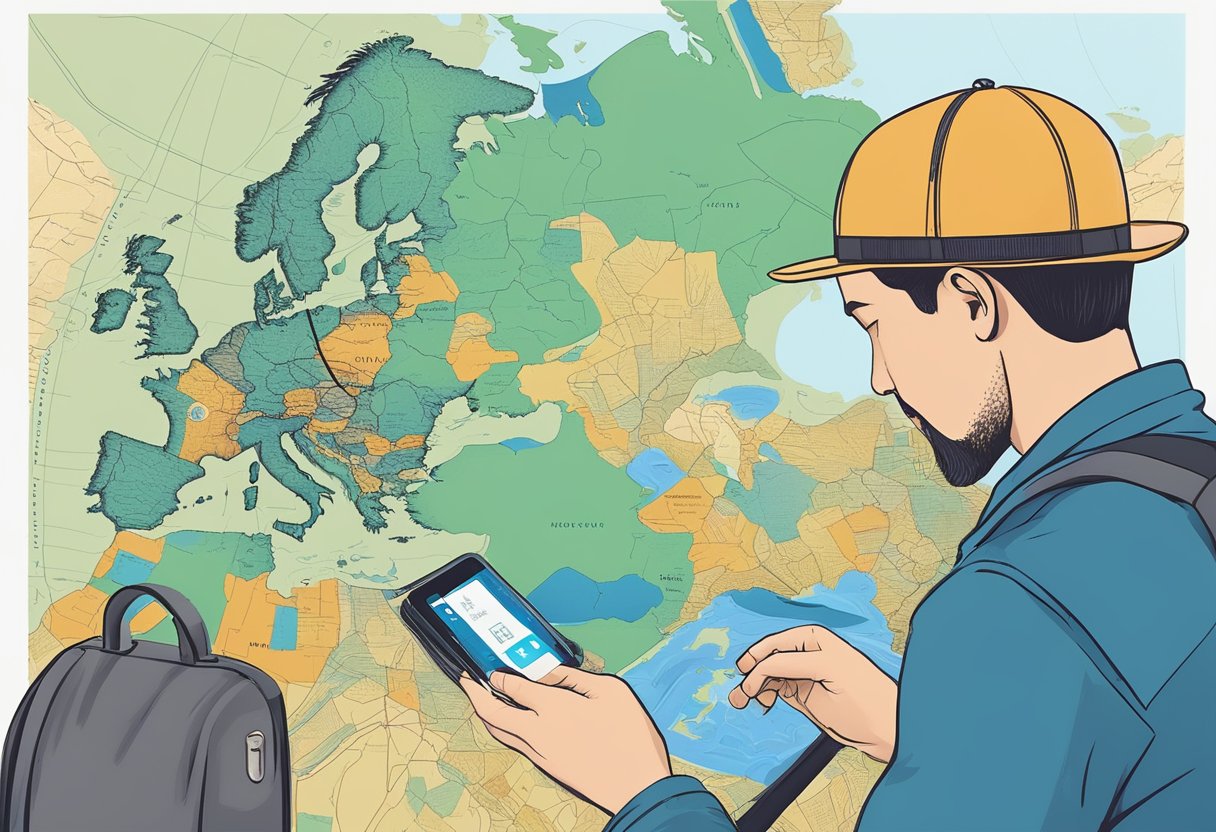
On the other hand, local SIM cards can be more cost-effective for individuals who need a reliable voice service or extensive data plans.
The choice becomes particularly important for travelers who might be venturing into areas with limited connectivity options. By understanding the specific benefits and drawbacks of each type, they can make an informed decision that best suits their travel needs.
Understanding eSIM and Local SIM Cards in Europe
Travelers in Europe often face the decision of choosing between eSIM and local SIM cards. Understanding their unique features can help make the right choice for connectivity needs while abroad.
What is an eSIM?
An eSIM (embedded SIM) is a digital SIM card that is built directly into a mobile device. Unlike a physical SIM card, which must be inserted or swapped, an eSIM allows users to activate a mobile plan remotely.
This technology offers flexibility, as users can switch carriers without needing a new physical card. Devices that support eSIM technology, such as newer models of smartphones and tablets, can generally manage multiple profiles, allowing users to choose from different mobile plans. This is particularly useful for international travelers who may want to opt for local options in various countries.
Benefits of Using an eSIM for International Travel
Using an eSIM for international travel comes with several advantages. First, it offers convenience, as there is no need to purchase and physically install a local SIM card.
Travelers can easily download a data plan from local carriers upon arrival or even before their trip. This ensures seamless connectivity without the hassle of visiting a store. Additionally, eSIMs often allow users to maintain their home mobile plan while using a local data plan.
Another benefit is security. Since an eSIM cannot be removed, it is less likely to be lost or damaged compared to a physical SIM card. Many travelers appreciate this added layer of safety during their journeys.
Overview of Local SIM Cards
Local SIM cards are physical SIM cards that can be purchased upon arrival in a new country. These cards often provide access to local mobile networks, allowing users to enjoy data and call plans tailored to the region.
To use a local SIM, travelers must ensure their devices are unlocked and compatible with local networks. Local SIM cards can be found at airports, convenience stores, and mobile carrier shops.
While local SIMs are generally cost-effective for extended stays, they may require a physical exchange and activation process. This can be a drawback for those seeking immediate connectivity upon arrival.
Comparing eSIM and Local SIM Card Usage in Europe
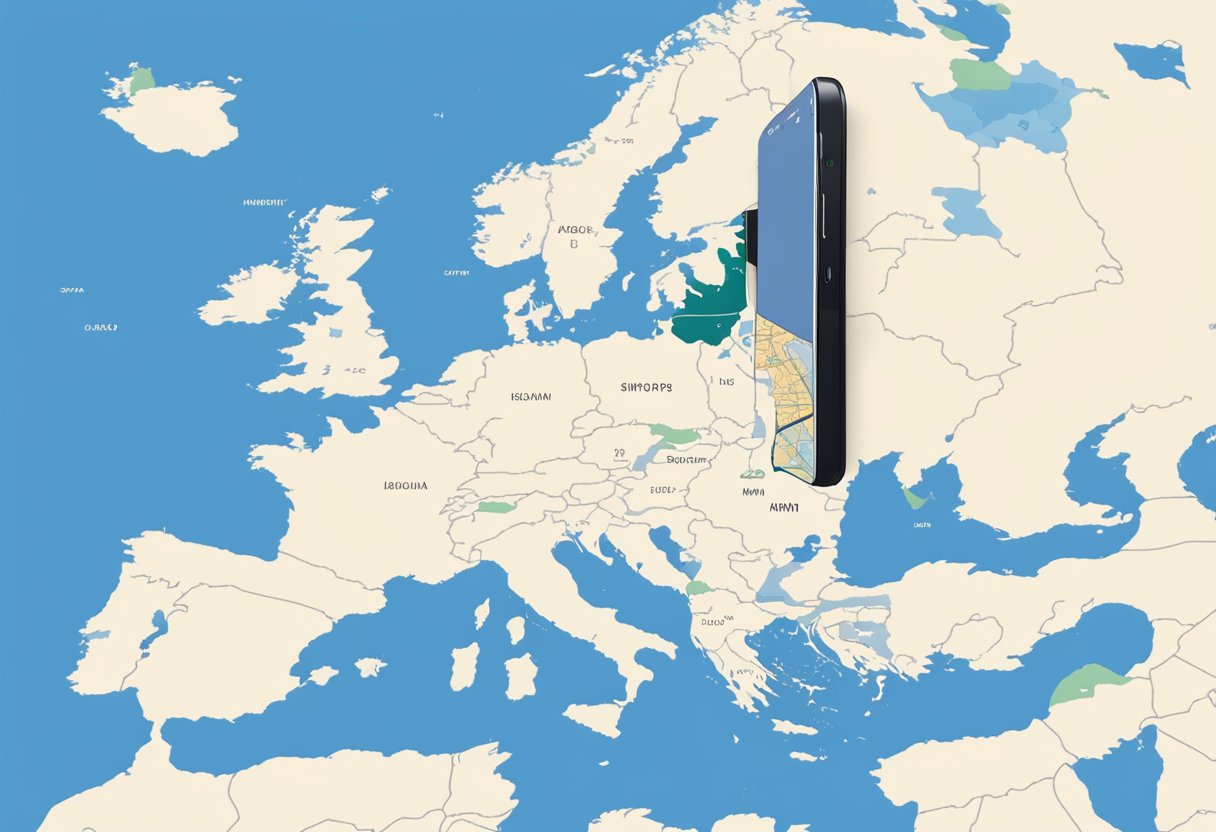
When considering mobile connectivity for travel in Europe, travelers face the choice between eSIMs and local SIM cards. Each option comes with its own set of advantages and drawbacks that affect cost, flexibility, connectivity, and sustainability.
Cost Comparison and Flexibility
Local SIM cards often offer more competitive pricing for travelers. They typically provide better rates for calls and messaging within a specific country. In contrast, eSIM plans may lead to higher costs if data needs are extensive, especially for longer stays.
Travelers can usually purchase local SIMs at airport kiosks or retail stores, with prepaid plans that are easy to navigate.
Flexibility comes into play with eSIMs. They enable users to switch between multiple plans or networks without physically changing a card. This feature is particularly useful for those traveling through several countries in Europe and preferring to streamline their connectivity.
Connectivity and Coverage Differences
Both eSIMs and local SIM cards offer potential for reliable connectivity, but the effectiveness depends on the local network. Local SIM cards utilize the infrastructure of the country being visited, typically resulting in optimal connectivity for calls and messaging.
eSIMs can provide seamless access to various networks, depending on the plan. However, connectivity can vary based on the provider and the regions covered.
Coverage can be more comprehensive with local SIMs, especially for rural areas. Travelers should check local carriers for specific coverage maps before deciding, ensuring they avoid unexpected roaming charges.
Considering Security and Convenience
In terms of security, eSIMs have a technological advantage. They are more difficult to clone and can have enhanced encryption capabilities, providing a safer option for sensitive data transactions.
On the other hand, local SIM cards can pose risks if lost or damaged, as replacing them may require visiting a local store.
In terms of convenience, eSIMs excel as they eliminate the hassle of swapping physical cards. Users can activate services remotely and manage their mobile plans through an app. However, not all devices support eSIM technology, which can limit convenience for some travelers.
Environmental Impact and Sustainability
Travelers are increasingly mindful of their choices regarding sustainability.
eSIM technology is deemed more environmentally friendly due to the lack of physical materials involved in producing and packaging SIM cards.
Local SIM cards generate waste as they contribute to plastic pollution once discarded.
Using eSIMs aligns with sustainable practices, supporting a lower carbon footprint.
Moreover, flexibility in changing plans electronically also reduces the need for multiple purchases, further supporting eco-friendly initiatives.
Travelers should weigh these environmental impacts alongside practical considerations as they choose the best option for their needs in Europe.