
Traveling through Europe can be an enriching experience, but staying connected is crucial.
For solo travelers, finding the right mobile solution is essential to avoid expensive roaming charges and maintain access to navigation and communication tools.
The best eSIM options provide seamless connectivity across multiple countries, making them ideal for exploring diverse destinations without hassle.
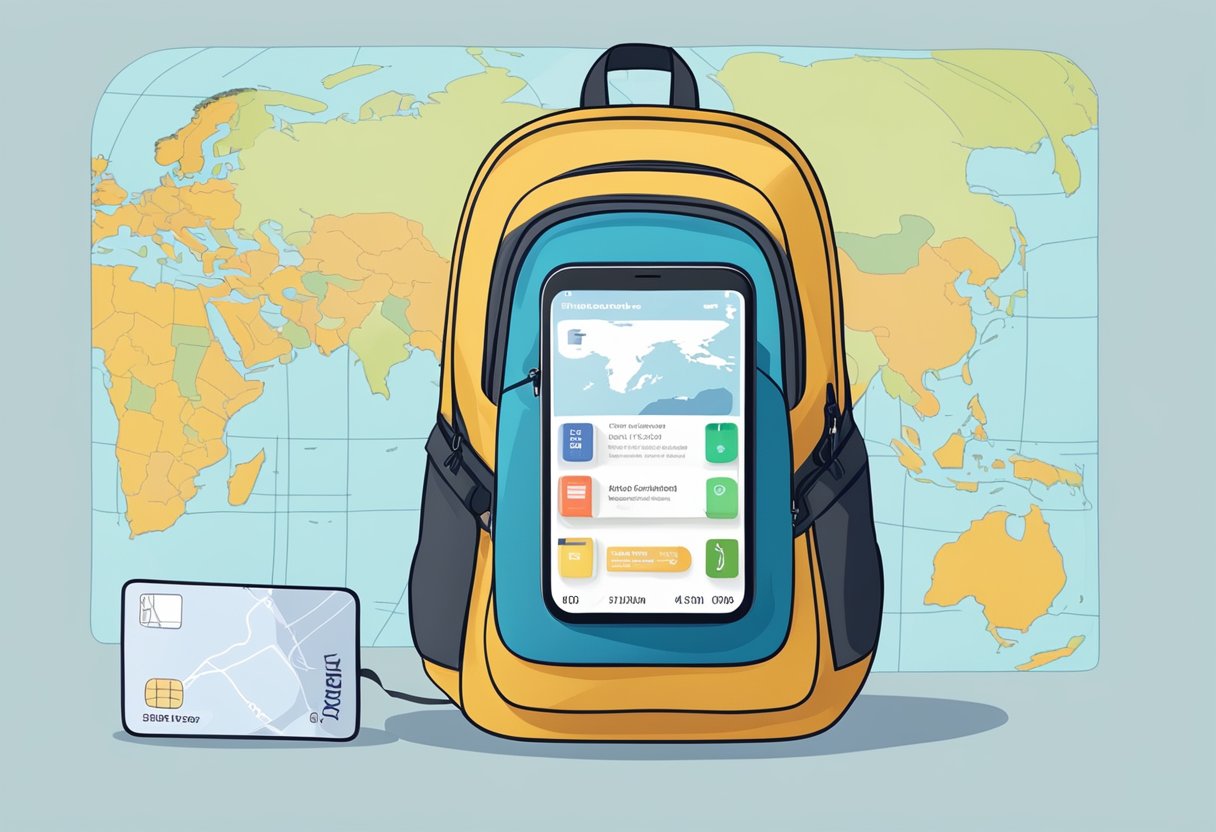
Many travelers prefer eSIMs due to their ease of use and flexibility compared to traditional SIM cards.
With an eSIM, they can activate a data plan directly from their device without needing to replace physical cards, ensuring they stay connected even in remote areas.
Options like eSIMineurope offer extensive coverage and competitive pricing, allowing solo adventurers to select plans that fit their travel itineraries perfectly.
Choosing the right eSIM can significantly enhance the travel experience by providing reliable data access, facilitating connection with fellow travelers, and allowing for real-time updates on local attractions.
For those planning to explore Europe alone, knowing which eSIM to choose will make all the difference in ensuring a smooth and enjoyable journey.
Choosing the Best eSIM for European Solo Travel
Selecting the right eSIM for solo travel in Europe involves understanding various providers, their features, and the quality of their service.
With numerous options available, making an informed choice can enhance connectivity and reduce costs.
Comparing eSIM Providers
When comparing eSIM providers like eSIMineurope, Airalo, Telstra, and Optus, it is essential to evaluate the plans and pricing.
Travelers should compare data allowances, expiration periods, and international availability. While some plans offer high-speed data, others may come with limited bandwidth.
A thorough comparison helps in selecting a provider that meets specific travel needs without incurring excessive costs.
Understanding eSIM Features and Benefits
eSIM technology brings several advantages to solo travelers. It eliminates the need for physical SIM cards, allowing for easy activation and changing of plans.
This convenience is particularly beneficial when traveling across multiple countries.
Key features to consider include data roaming options, which enable seamless connectivity while moving between different network providers. Some eSIMs also support personal hotspot functionalities.
The ability to switch plans without visiting a store enhances flexibility and can lead to cost savings.
Additionally, eSIMs often provide better security, reducing the risk of loss or damage associated with traditional SIM cards.
Assessing Coverage and Data Speeds in Europe
Coverage and data speeds can vary significantly between providers. It is crucial for travelers to check network availability across their intended destinations.
Major providers like eSIMineurope typically offer extensive coverage in urban areas and tourist hotspots.
Data speeds also play a critical role. High-speed data plans can improve the experience for users relying on online navigation, streaming, and social media updates.
Travelers should ensure the eSIM selected supports 4G or 5G connectivity, maximizing performance during their journey.
Practical Tips for Using Your eSIM in Europe
Travelers will benefit from understanding the activation and installation process of eSIMs, managing their data to avoid unexpected charges, and accessing essential services while abroad. These factors ensure a seamless connectivity experience during their journey.
Activation and Installation Process
To activate an eSIM, a user must first ensure their phone is unlocked and compatible with eSIM technology. Most major carriers support eSIMs, and their websites usually provide detailed instructions.
Once the eSIM is purchased, it can be activated via a QR code sent by the provider. The user should scan this code using their device’s camera or manually input the information if needed. It’s advisable to have a Wi-Fi connection during this process.
For those traveling through multiple countries, selecting a data plan that covers all destinations is essential. Global roaming packages may offer convenience, but users should compare prices to ensure the best deal.
Managing Data and Avoiding Charges
Managing data consumption is vital to avoid unexpected charges.
Users should enable data tracking in their phone settings to monitor usage actively.
Setting data limits or alerts can help prevent overspending. Many eSIM providers offer easy-to-use websites, like eSIMineurope, that monitor data usage and provide insights on remaining balance.
Additionally, travelers often find it useful to disable background data for non-essential apps. This step prevents unnecessary data drain while exploring charming locations such as a medieval village or enjoying YouTube videos during downtime.
Accessing Essential Services and Support
Understanding how to access customer support is crucial when using an eSIM.
Most providers offer support through their apps, websites, or customer service numbers.
If issues arise with phone calls or messages, users can often resolve them by checking their settings or reinstalling the eSIM profile.
Additionally, keeping a local prepaid SIM card handy can serve as a backup option if connectivity issues arise.
Travelers should also familiarize themselves with local data laws and regulations, as data privacy practices can vary by country.
Jetpac or other travel apps may assist in locating services when needed.