
Traveling in Europe often raises the question of how to stay connected while exploring new destinations.
The best way to get internet in Europe is to purchase a local SIM card or consider an eSIM, which offers flexibility and affordability for data services throughout multiple countries. These options provide reliable access without the hefty roaming fees that many travelers encounter.
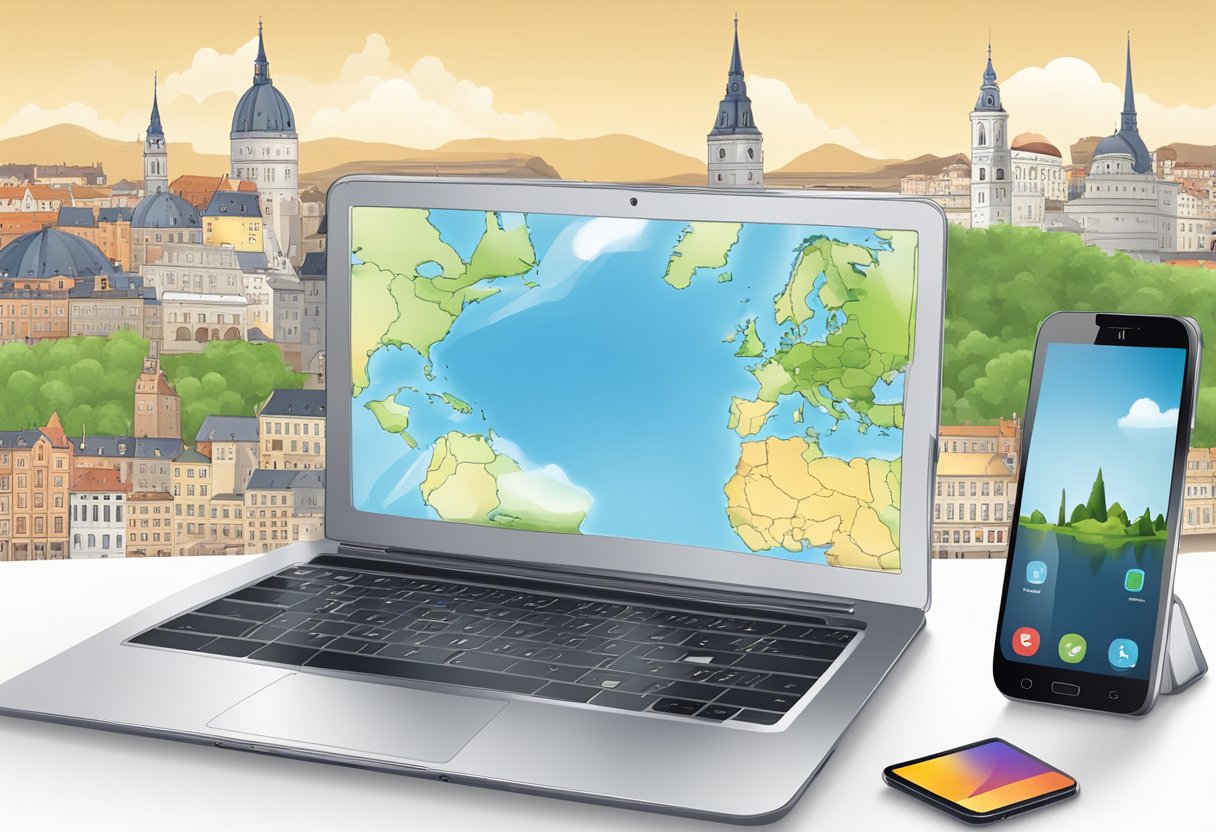
In addition to SIM cards, travelers can utilize portable WiFi devices, also known as pocket WiFi, which allow multiple devices to connect simultaneously.
Many cafes, hotels, and public places also offer free WiFi, which can assist in staying connected during short stays. Exploring these options allows for a cost-effective and seamless digital experience while enjoying the diverse cultures of Europe.
Understanding the available methods for internet access helps travelers make informed choices that suit their needs. With the right preparations, they can ensure they remain connected, whether navigating cities or sharing experiences in real time.
Choosing Mobile Internet Options in Europe
Travelers in Europe have various options for staying connected, with considerations including roaming charges, mobile network providers, and technology like eSIMs. Understanding these factors can enhance one’s travel experience significantly.
Understanding European Roaming Charges and Regulations
Roaming charges can add unexpected costs to mobile usage while traveling in Europe. The European Union has regulations that limit these fees.
For example, carriers like Verizon and T-Mobile may offer plans with different conditions. It’s essential to confirm the extent of coverage and costs associated with data usage outside the EU.
In addition, travelers should be aware of data limits. Exceeding these can result in substantial overage fees. To avoid surprises, reading the fine print of service agreements ahead of travel is beneficial.
Comparing European Mobile Network Providers
When selecting a mobile network provider in Europe, it’s important to compare options based on coverage, cost, and speed.
Users should also consider 5G capabilities, as available in various cities, which can significantly enhance mobile internet speed.
Advantages of Using eSIMs in Europe
eSIM technology presents several advantages for travelers in Europe. Unlike traditional SIM cards, eSIMs are embedded in devices, allowing users to switch networks without physically changing cards.
This technology can be advantageous for frequent travelers, enabling easy connectivity across multiple countries. Many eSIM providers offer competitive data plans specifically designed for travelers – such as eSIMineurope.com
Moreover, eSIMs confirm compatibility with various mobile devices, including smartphones and tablets. They facilitate easy activation of data plans without needing to find a local store.
Using eSIMs can save time and streamline the process of accessing the internet in Europe. Travelers can simply plan ahead and install their eSIM before embarking on their journey, making for a smooth transition upon arrival.
Enhancing Internet Connectivity During Travel
Staying connected while traveling in Europe is essential for both communication and navigation. By utilizing mobile hotspots, managing multiple devices efficiently, and maximizing data services, travelers can maintain reliable internet access throughout their journey.
Setting Up Mobile Hotspots and Tethering Solutions
Travelers can enhance internet connectivity by using mobile hotspots or tethering their smartphones. Mobile hotspots provide a direct Wi-Fi connection, allowing users to connect several devices simultaneously.
Purchasing a portable hotspot device or using a smartphone with a data plan are viable options. To set up a hotspot, travelers should enable the feature in their smartphone settings.
Adjusting security settings to WPA2 ensures protection. This setup is ideal for groups or families, as they can share a single data plan. Some European providers offer pocket Wi-Fi devices specifically designed for tourists, providing extensive coverage and flexibility.
Managing Internet Access on Multiple Devices
When traveling with multiple devices, managing data access becomes crucial to ensure each device remains connected.
Travelers should prioritize which devices need constant internet, such as smartphones for navigation and tablets for entertainment. Creating a schedule for device usage can minimize data consumption.
Turning off automatic updates and background apps reduces unnecessary data usage. Using a single mobile hotspot can consolidate data plans and keep costs down, ensuring everyone stays connected without exceeding limits.
Maximizing Data Services with Messaging Apps
Data services can be optimized by using messaging apps that require minimal bandwidth.
Applications like WhatsApp allow users to send texts, make voice, and video calls using data rather than traditional phone services, saving money.
Travelers should explore data plans that allow unlimited messaging services to avoid additional charges.
Utilizing Wi-Fi whenever available can help offload data usage from mobile plans.
Keeping conversations on messaging platforms rather than traditional SMS reduces costs while enabling seamless communication across different networks.