
Traveling through Europe presents a unique set of challenges, especially when it comes to staying connected.
Two popular options for internet access are eSIMs and pocket WiFi devices.
For travelers seeking convenience and flexibility, eSIMs are generally the better choice, while pocket WiFi can be beneficial for those needing to connect multiple devices simultaneously.
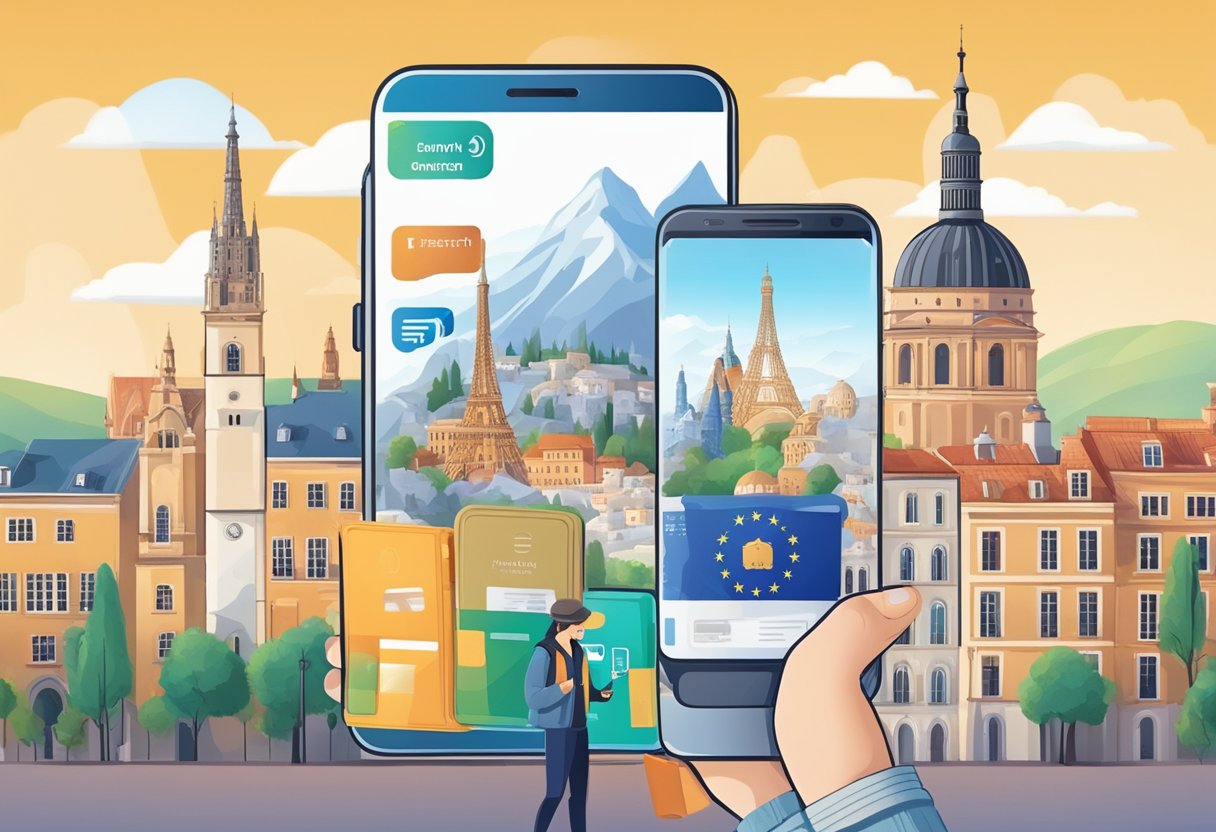
As travelers navigate different countries, the necessity for reliable internet often becomes a priority.
eSIM technology, which allows users to activate a cellular plan without needing a physical SIM card, offers seamless connectivity across various networks without the hassle of switching cards.
In contrast, pocket WiFi devices can provide stable connections for several users but might involve more logistical efforts, such as rental fees or battery management.
Understanding the advantages and limitations of each option enables travelers to make informed decisions that suit their specific needs.
Exploring factors like cost, ease of use, and connection stability will highlight the best solution for anyone planning an adventure across the diverse landscapes of Europe.
Understanding eSIMs and Pocket WiFi
Travelers have various options for staying connected while abroad. Two popular choices are eSIMs and Pocket WiFi, each offering distinct features that cater to different connectivity needs.
What Is an eSIM?
An eSIM, or embedded SIM, is a digital SIM that allows users to connect to mobile networks without a physical SIM card. This technology enables travelers to download and activate a data plan directly on their devices, such as smartphones or tablets.
eSIMs are particularly useful for international travel. They eliminate the need for traditional SIM swaps and simplify the process of accessing local data plans.
With the growing availability of 4G and 5G networks in Europe, eSIMs can provide fast and reliable connectivity.
Many major carriers also offer competitive international roaming packages. Travelers can benefit from a seamless experience without worrying about switching out SIMs or losing service during their trip.
Benefits of Using a Pocket WiFi
Pocket WiFi devices, or mobile hotspots, offer travelers a portable way to connect multiple devices to the internet. These devices create a personal WiFi network, allowing smartphones, tablets, and laptops to access data through one connection.
Using Pocket WiFi can be advantageous for groups or families traveling together. With one device, several users can browse, stream, and communicate without exhausting individual data plans.
However, Pocket WiFi rentals often come with daily fees. Pricing may vary based on the country and rental duration. Additionally, travelers should consider battery life and whether they will have access to charging options during their outings.
Comparing Data Connectivity Options
When comparing eSIMs and Pocket WiFi, several factors come into play.
Coverage is paramount; eSIMs typically connect to local mobile networks, ensuring dependable signal strength. This is crucial for those traveling to rural areas where public WiFi may be limited.
Data limits also merit attention. Many eSIM plans offer flexible data options tailored to travel needs, while Pocket WiFi can sometimes impose strict usage caps based on rental agreements.
Travelers should also think about convenience. eSIMs allow for quick activation and management of plans via a smartphone, while Pocket WiFi devices require physical handling and recharging.
Ultimately, the choice between an eSIM and Pocket WiFi will depend on individual data needs, travel plans, and preferences for connectivity.
Choosing the Best Option for Europe Travel
When selecting the ideal connectivity option for traveling in Europe, it’s essential to compare the benefits of eSIMs and pocket WiFi services. Each choice has its unique advantages in terms of coverage, data plans, and overall convenience for the traveler.
eSIM Providers and Plans for Europe
eSIM technology allows travelers to connect to local networks without needing a physical SIM card. Providers like eSIMineurope offer various data plans tailored for Europe, including options for 4G and 5G coverage. Users can purchase these plans online before departure, ensuring instant connectivity upon arrival.
This flexibility caters to different data needs, making eSIM a cost-effective choice for those who plan to use data-intensive applications.
Pocket WiFi Rental Services in Europe
Travelers can rent pocket WiFi devices from companies at airports or online. These mobile hotspots provide reliable internet access, allowing multiple devices to connect simultaneously.
Typically, rental costs vary based on duration and data limits. Devices often come with unlimited data options, which can be appealing for heavy users. However, travelers should consider the pickup and return logistics at their arrival and departure airports, as this can impact convenience.
Accessing Essential Services on the Go
Travelers often rely on mobile data to access essential services like Google Maps, accommodations, and translation apps. Both eSIM and pocket WiFi provide access to these services, but speed and reliability can vary.
With eSIMs connected to local carriers, users often experience faster data speeds, crucial for navigation in unfamiliar cities. On the other hand, pocket WiFi may face network congestion in crowded tourist areas, potentially hindering service quality during peak times.
Avoiding Bill Shock While Traveling
To prevent unexpected charges, travelers need to understand the terms of their data plans.
eSIM providers typically offer transparent pricing, which makes it easier to monitor data consumption.
Conversely, pocket WiFi rentals may have hidden fees if users exceed data limits. To avoid bill shock, travelers should review coverage details, potential roaming charges, and limitations associated with both options.
Tips for Seamless Connectivity Abroad
For hassle-free internet access, travelers should plan ahead.
Before departure, they can research providers offering the best coverage in their travel destinations.
When using an eSIM, ensuring the device is compatible with the chosen provider can prevent connectivity issues.
Travelers with pocket WiFi should confirm charges for additional devices. They should also ensure the device is fully charged before long days out.
Maintaining connectivity allows them to share experiences on social media, access essential information, and stay in touch with family and friends back home.
This planning enhances the overall travel experience in Europe.